Exploring Sukhumvit Nightlife: A Glimpse into Bangkok’s Vibrant Night Scene

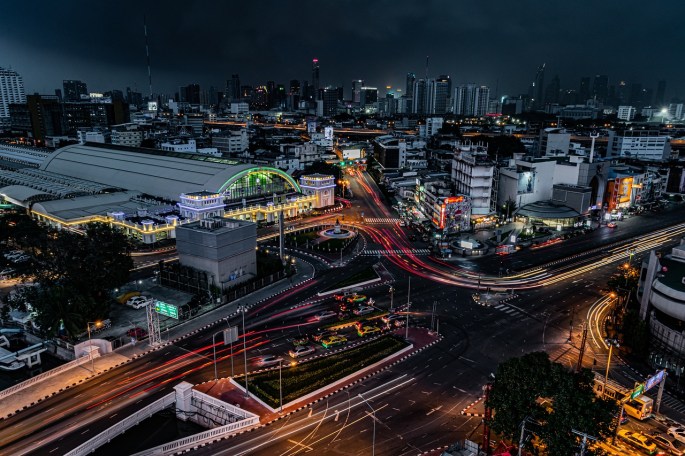
The Sukhumvit area in Bangkok, Thailand, is not just known for its modern skyscrapers, high-end shopping malls, and fine dining restaurants, but also for its vibrant nightlife. This piece will take you on a journey through the bustling streets of Sukhumvit at night, showcasing the array of experiences that await after sundown.

Sukhumvit’s nightlife is as diverse as it is dynamic. From the fashionable nightclubs on Soi 11 to the laid-back bars on Soi 23 and the red-light districts on Soi Cowboy and Nana Plaza, there is something for everyone. Whether you are a party-goer or a foodie, Sukhumvit won’t disappoint.

One of the most commonly asked questions about Sukhumvit’s nightlife is, “What are the best bars and clubs to visit?” The answer is subjective as it depends on your preferences. However, some popular choices include Above Eleven, Levels Club & Lounge, and Octave Rooftop Lounge & Bar for their stunning views and unique cocktails.

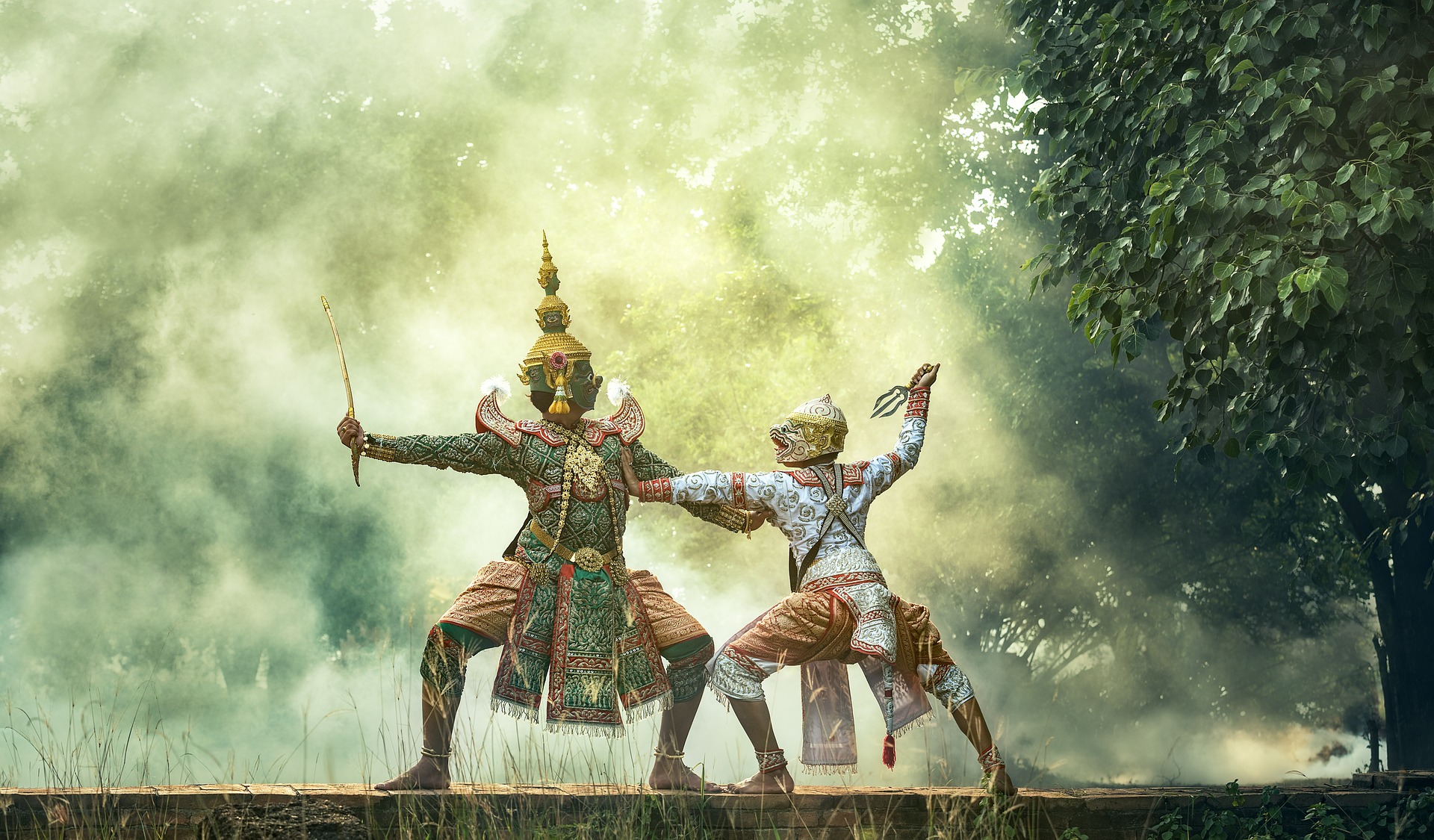
Sukhumvit’s nightlife also offers an insight into Thailand’s history and culture. Many bars and clubs showcase live performances of traditional Thai music and dance. Notable is the Sing Sing Theater, a bar-cum-nightclub designed in a 1930s Shanghai style, offering a unique blend of East meets West.

Historically, Sukhumvit has always been a hub of entertainment. It began developing as a major commercial area in the mid-20th century, and its nightlife scene has evolved over the decades, reflecting changes in societal norms and tastes. Today, it is a symbol of Bangkok’s cosmopolitan nature, attracting tourists and locals alike.

While the nightlife in Sukhumvit is exhilarating, it’s essential to remember that Thailand is a country with deep cultural roots. Respecting local customs and regulations will ensure a more enjoyable and enriching experience. So, as you plan your night out in Sukhumvit, get ready for an unforgettable adventure into Bangkok’s nocturnal heart.
Discover the Vibrance of Bangkok Nightlife

Bangkok, the capital city of Thailand, is renowned for its vivacious nightlife that offers a fascinating blend of experiences. This blog post will take you on a journey through the city’s most exciting night-time attractions, including historic sites, bustling markets, and energetic entertainment venues.

The city’s nightlife is a kaleidoscopic mix of traditional and modern attractions. The vibrant night markets such as Patpong Night Market, established in the 1940s, and Asiatique Riverfront Night Market, which opened in 2012, offer an eclectic array of goods, from vintage clothing to local handicrafts. Meanwhile, the Chao Phraya River Dinner Cruises provide a unique experience of dining under the stars while enjoying the captivating views of ancient temples and palaces.

A commonly asked question is, “What is unique about Bangkok nightlife?” One of the distinguishing characteristics of Bangkok’s nightlife is the city’s rooftop bars. Venues such as the Moon Bar, which opened in 2003, offer panoramic views of the city, while the Sky Bar, which debuted in 2008, is the world’s highest open-air bar.

Bangkok’s nightlife isn’t just about shopping and dining. It’s also about immersing yourself in the city’s cultural heritage. The Siam Niramit show, which started in 2005, is a must-see. This spectacular performance showcases Thailand’s history and culture through music, dance, and stunning visuals.

While exploring Bangkok at night, don’t miss out on the city’s traditional Thai massage parlors. Wat Pho, the birthplace of Thai massage dating back to the 16th century, even offers late-night services. It’s the perfect way to unwind after a day of sightseeing.

Bangkok’s nightlife truly offers something for everyone, from history buffs to foodies, shopaholics to culture vultures. Whether you’re searching for unique souvenirs, delicious street food, cultural shows, or simply a relaxing massage, the city’s after-dark offerings will not disappoint. So, as you plan your visit to Bangkok, remember to reserve some energy for when the sun goes down, because that’s when the city truly comes alive.

Wat Mahathat Bangkok

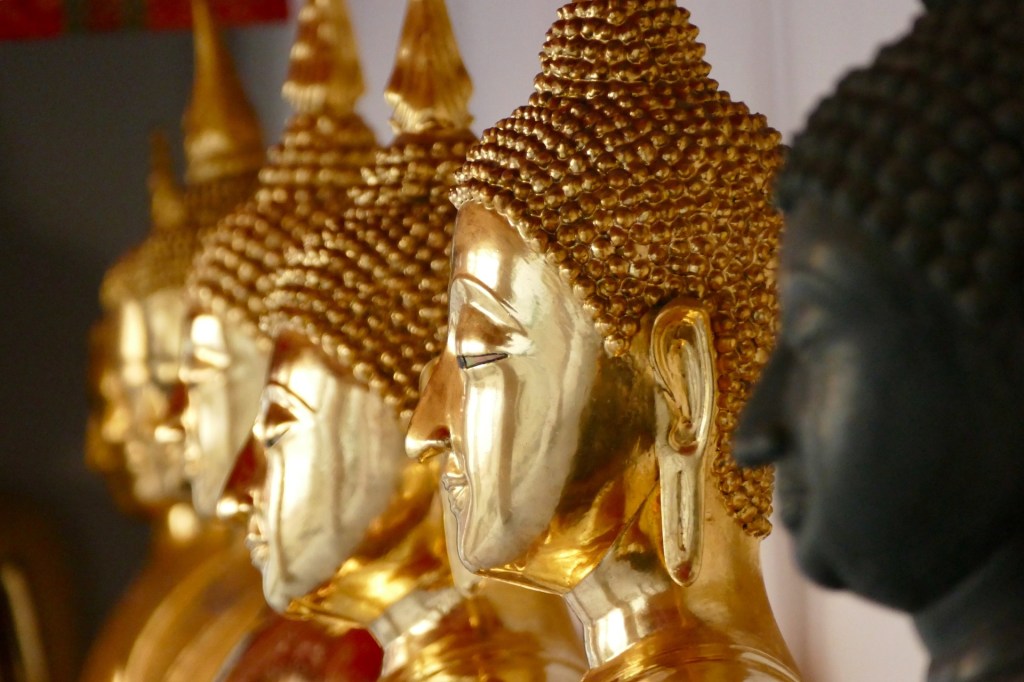
In the heart of Bangkok, Thailand, lies a historical treasure that tells tales of a rich past – Wat Mahathat. This blog post will take you on a journey through the fascinating history of Wat Mahathat, a temple complex known for its stunning architecture and spiritual significance. Whether you’re a history buff, an architecture enthusiast, or simply a curious traveler, Wat Mahathat Bangkok is a must-visit site that will leave you in awe and admiration.

Nested in the old city of Bangkok, Wat Mahathat is more than just a temple complex. Established in the 18th century during the reign of King Rama I, it is one of the ten royal temples of the highest class. It is not only a place for Buddhists to practice meditation but also an important center for the study of Buddhism and meditation. Its name, Wat Mahathat, literally translates to “Temple of the Great Relic,” referring to the Buddha’s relics housed within the temple. Strolling around the temple, you’ll find a bustling amulet market, where locals and tourists alike haggle for good luck charms and spiritual tokens.

Reaching Wat Mahathat is quite straightforward, as it is centrally located in Bangkok. You can take a taxi, a tuk-tuk, or a riverboat to Tha Chang Pier, followed by a short walk to the temple. Alternatively, the temple is a stop on the Chao Phraya Express Boat’s tourist route, making it easily accessible for travelers.

FAQs

  1. What are the opening hours of Wat Mahathat?
    Answer: Wat Mahathat is open daily from 9:00 AM to 5:00 PM.
  2. Is there an entrance fee for Wat Mahathat?
    Answer: No, entrance to Wat Mahathat is free.
  3. Can I participate in the meditation classes at Wat Mahathat?
    Answer: Yes, Wat Mahathat holds daily meditation classes open to all.
  4. What is the dress code for visiting Wat Mahathat?
    Answer: Visitors are expected to dress respectfully, covering shoulders and knees.
  5. Is photography allowed in Wat Mahathat?
    Answer: Yes, but it’s important to respect the religious practices and not disturb the worshippers.

Immerse yourself in the tranquil ambiance of Wat Mahathat, marvel at its rich architectural details, and delve into its spiritual and historical significance. This temple complex is more than just a sightseeing spot – it’s a window into Thailand’s vibrant culture and Buddhist traditions. Don’t miss the chance to experience it firsthand!

So, why wait? Pack your bags, book your tickets, and set off on an unforgettable journey to Wat Mahathat Bangkok. Explore the beauty of Thai architecture, experience the tranquility of meditation, and dive into the rich history of this amazing city. You’ll return home with a wealth of knowledge and memories to last a lifetime. Safe travels!

By This Photo was taken by Supanut Arunoprayote.Own work, CC BY 4.0, https://commons.wikimedia.org/w/index.php?curid=141983496

Who Lives in Hyde Park?

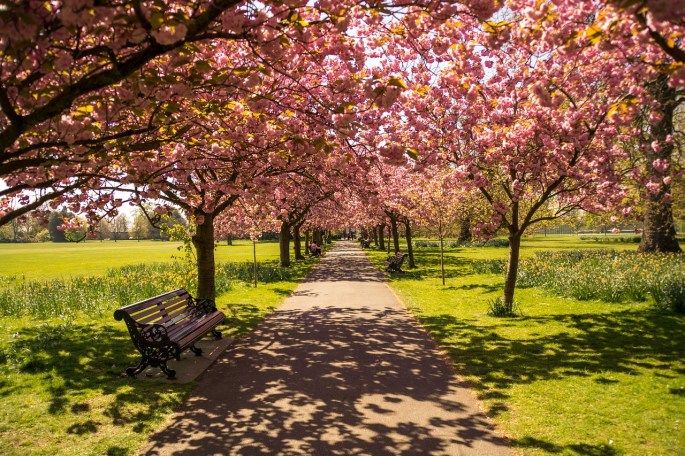
Hyde Park, one of London’s most iconic green spaces, is not only a haven for nature lovers and a popular spot for picnics and outdoor activities, but it is also home to some very prestigious residents. So, who exactly lives in Hyde Park?

One of the most famous residents of Hyde Park is none other than the Queen herself. Yes, you heard it right! Buckingham Palace, the official residence of Her Majesty Queen Elizabeth II, is just a stone’s throw away from Hyde Park. Imagine having the Queen as your neighbor! It’s no wonder that Hyde Park is often associated with royalty and grandeur.

But it’s not just the Queen who calls Hyde Park home. The park is also surrounded by beautiful and historic residential areas, attracting a mix of affluent individuals and families. From elegant townhouses to luxurious apartments, the streets around Hyde Park boast some of the most sought-after addresses in London.

You might be wondering who else resides in this prestigious neighborhood. Well, Hyde Park has been a favorite among celebrities and high-profile figures for years. From rock stars to movie stars, you never know who you might bump into while strolling through the park. It’s not uncommon to spot famous faces enjoying a leisurely walk or jogging along the Serpentine Lake.

But don’t worry, you don’t have to be a member of the elite to enjoy Hyde Park. The park is open to everyone, and it’s the perfect place to escape the hustle and bustle of the city. Whether you’re taking a leisurely walk, having a picnic with friends, or simply enjoying the serene beauty of the park, Hyde Park offers a tranquil oasis in the heart of London.

So, next time you find yourself in London, make sure to visit Hyde Park. Not only will you be able to explore its stunning landscapes and iconic landmarks, but you might just catch a glimpse of some of its famous residents. Who knows, maybe you’ll even get a royal wave from the King himself!

Famous Landmarks and Attractions in Leicester Square

Are you looking for a bustling entertainment and culture hub in Central London? Leicester Square is your ideal destination. The area is known for its vibrant entertainment scene, cinemas, restaurants, and shops. Also, it is the home of several iconic landmarks, such as Leicester square garden and Odeon Leicester Square, among others. Keep reading as we share three famous landmarks and attractions in Leicester Square.

#1. Leicester Square Gardens

The Leicester Square Gardens is one of the important attractions in Leicester Square. This public park is located in the centre of Leicester Square and is a peaceful oasis in the middle of the bustling city. It features beautiful fountains, benches, and a small playground.

#2. M&M’s World

M&M’s World is a popular tourist attraction in Leicester Square, London. This four-story store is dedicated to the famous candy brand M&M’s and offers a wide range of merchandise and activities related to the brand.

Inside the store, visitors can find various colourful M&M products, such as clothing, kitchenware, toys, and plenty of M&M candy.

#3. Odeon Leicester Square

This historic cinema is located in the heart of Leicester Square, London. It is one of the UK’s largest and most popular cinemas and has been a top destination for film enthusiasts and celebrities since its opening in 1937.

The cinema has a seating capacity of 1,680 and is equipped with state-of-the-art audio and visual technology, making it a popular venue for film premieres and other special events.

Thailand Craft Beers

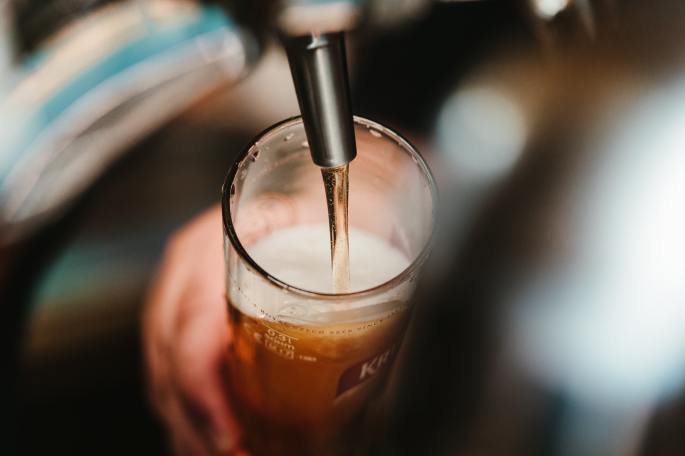
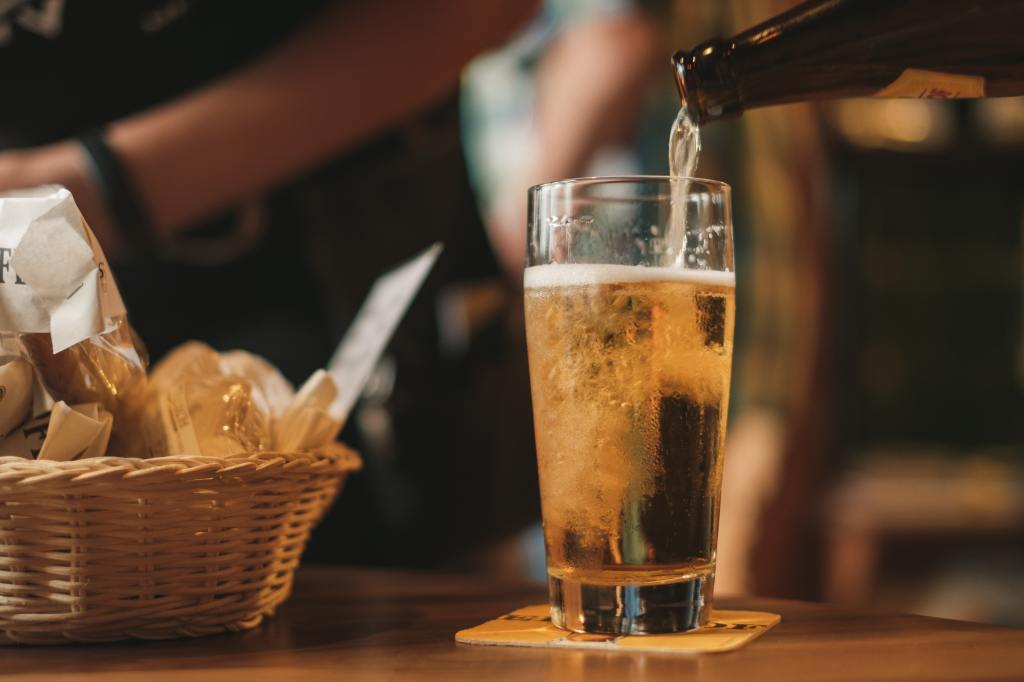
Bangkok has a sophisticated drinking culture but isn’t known for its Thailand craft beers. Committed brewers in Bangkok are turning to one another to feed the city’s burgeoning craft beer market with beers infused with authentic Thai flavours as demand for them rises. Mitr, Thailand’s first collaborative brewery, opened its doors for business, and now there are more brewpubs than ever in the nation, propelling Bangkok to new craft beer heights. Among the notable Thai craft beers available in Bangkok you may try are:

Sandport Broken Sword Red Ale

Sandport was founded by a group of friends who have a passion for both rock music and beer, thus the name. A once-underground brewery, Bang Bang IPA won bronze at the 2017 Australian International Beer Awards, solidifying its place as one of Thailand’s most celebrated brews.

Mahanakhon White Ale

Mahanakhon Brewery’s White Ale is a little less out there. The witbier’s typical flavour comes from the usage of wheat that is similar to that grown in Belgium. Bangkok’s thick, hot heat pairs well with the beer’s crisp flavour. The beer has become more common in the city’s shops and watering holes after it won awards at the 2017 World Beer Awards.

Full Moon Chalawan Pale Ale

Chalawan, brewed in Phuket’s Full Moon Brewery and named after the cruel but lovely crocodile king of Thai mythology, is a well-balanced pale lager with just the right amount of sweetness and bitterness. Full Moon is at the forefront of the burgeoning Thai craft beer industry, having won gold for their Chalawan beer at the 2016 World Beer Awards.

Happy New Beer Pilsner

You can celebrate Happy New Beer every day of the year thanks to the brewery’s head brewer, famous for using copious amounts of hops and incorporating local mineral water into his brews. Their first brewery was located in Khao Yai, and their pilsner, which mixes classic flavour with hints of tropical fruit, is incredibly pleasant. Even more refreshing is their Grapefruit New England IPA.

THE UPCOMING LONDON FASHON WEEK

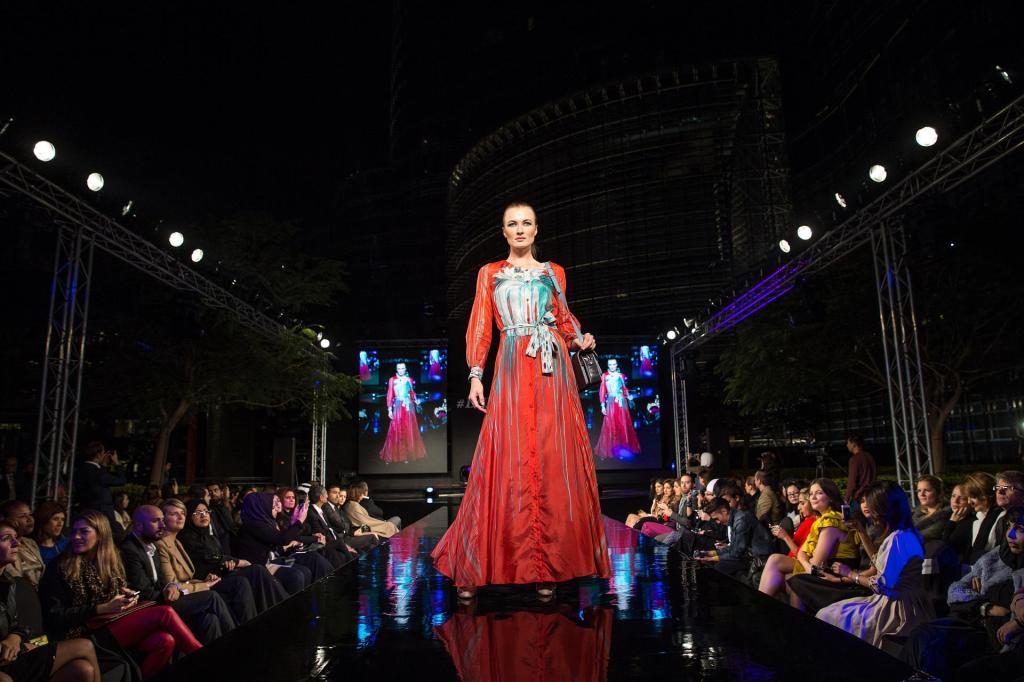
LFW (London Fashion Week) is a popular clothing trade show known to take place in February and September in the British Capital. It’s among the ‘Big Four’ fashion weeks and presents itself as a trade event attracting press attention.

History of LFW

Learn About LFW History

Organised by the BFC(British Fashion Council) for the London Development Agency (LDA) with help from the BIS, LFW first took place in 1983. The show was held in West London in a car park, and tents were erected outside the Commonwealth Institute in South Kensington. Young designers who debuted here include David Fielden, Betty Jackson and the Gibraltar-born John Galliano.

LFW Events

Visitors Will See New Collections from World’s Best Designers London Fashion Week 2023 promises to offer unmissable fashion events to the British Capital. Visitors will get a chance to see the latest catwalk ranges and hear from industry experts. LFW activities celebrate some of the latest trends from over 100 international and British designers, spanning menswear, womenswear and gender-neutral designs. The five-day LFW festival runs as a digital-first festival, and there’s a limited number of RSVP-required in-person and invitation-only events. Visitors should expect exhilarating shows from big names, including Simone Rocha, Richard Quinn and Roksanda.


There will also be rising-star designers, such as Halpern, Knwls and Nensi Dojaka. London Fashion Week showcases some of the most exciting new talents in the industry, thanks to the presence in the British Capital of some of the leading fashion universities and colleges.

Visitors should not miss the LFW 2023, as it will allow them to delve into the latest womenswear, menswear and gender-neutral collections.

Here is a site with more information about LFW

Why is Guy Fawkes responsible for the fireworks in the UK on November 5th?

Here is why the Bonfire Night, also referred to as Fireworks Night or Guy Fawkes, is celebrated annually in the UK on November 5th

History of the Bonfire Night

Every year on November 5th, Bonfires or Fireworks are lit in the UK to commemorate the failed attempt by Guy (Guido) Fawkes to blow up the government. The foiled attempt, also known as the Gunpowder Plot, took place in 1605 as Catholics led by Guy Fawkes failed to blow up the Houses of Parliament in London. The attack intended to get rid of James I and his ministers and form a government headed by the Catholic church. Since England was a protestant country, those behind the plot wanted the country to return to Catholicism.

How the Gunpowder unravelled

The plot was to bomb the Houses of Parliament by placing them underneath the building and blowing it up. However, the plot was foiled when a letter was discovered by one of King James I’s men. Those involved were flashed out and later executed.

When does Bonfire Night take place?

The event takes place on November 5th each year in commemoration of the date the plot backfired. Had it gone to plan, it could have caused the death of the King, his ministers and even civilian casualties. When members of the public learnt of the ordeal, they started lighting bonfires in the city to celebrate the failed Gunpowder Plot. Even with the unpleasant celebrations over the years, the event has become a way for friends and loved ones to get warm beside bonfires.

The history of Wat Pho, Bangkok

Wat Pho is renowned as the origin of traditional Thai body massage. This article is focused on having an in-depth discussion regarding the history of Wat Pho.

Wat Pho- Understanding its History

Wat pho, the largest Buddhist temple, is situated at Phra Nakhon District, in the southern area of the Grand Palace. It is also referred to as the Temple of the Reclining Buddha and is the largest temple in Bangkok. It is amongst the oldest temples situated in the city and is also included in the list of the top royal temples. Serving as a big tourist attraction site in Bangkok, Wat Pho’s history dates back to the 16th Century. The name Wat Pho came from the full version; Wat Photaram, a monastery in India where Buddha got enlightenment from.

There is neither a date indicating when the temple’s construction was officiated nor the name of its founder. Though, there is some information that indicates it might have been originally constructed between the year 1688 and the year 1703. This was during the tenure of King Phetracha. Following the Siege of Bangkok that took place in 1688, the King demolished the southern area of Wat Pho that was occupied by the French Star Fort. King Rama 1 built the present-day Grand Palace adjoining Wat Pho in 1782. The old temple site at Wat Pho was deep in ruins, so he took charge for its renovation in the year 1788. The entire construction took more than 7 years to complete, and in 1801, it was declared the main temple for King Rama 1. The most notable changes were made during the reign of King Rama 111. The entire temple’s complex was renovated and expanded in 1832. The most popular feature in this temple; Chapel of the Reclining Buddha was built that time. After its renovation in 1982, there have been ongoing modifications happening often, usually funded by the temple’s occupants.

Conclusion

The reclining statue of Buddha at the Temple is a must-see when touring Bangkok. Other interesting activities include getting some traditional massage and practicing Yoga. If you are returning to Thailand Landmark Bangkok has an all-inclusive Alternative State Quarantine (ASQ) package which will let you stay in comfort and luxury with fabulous dining.

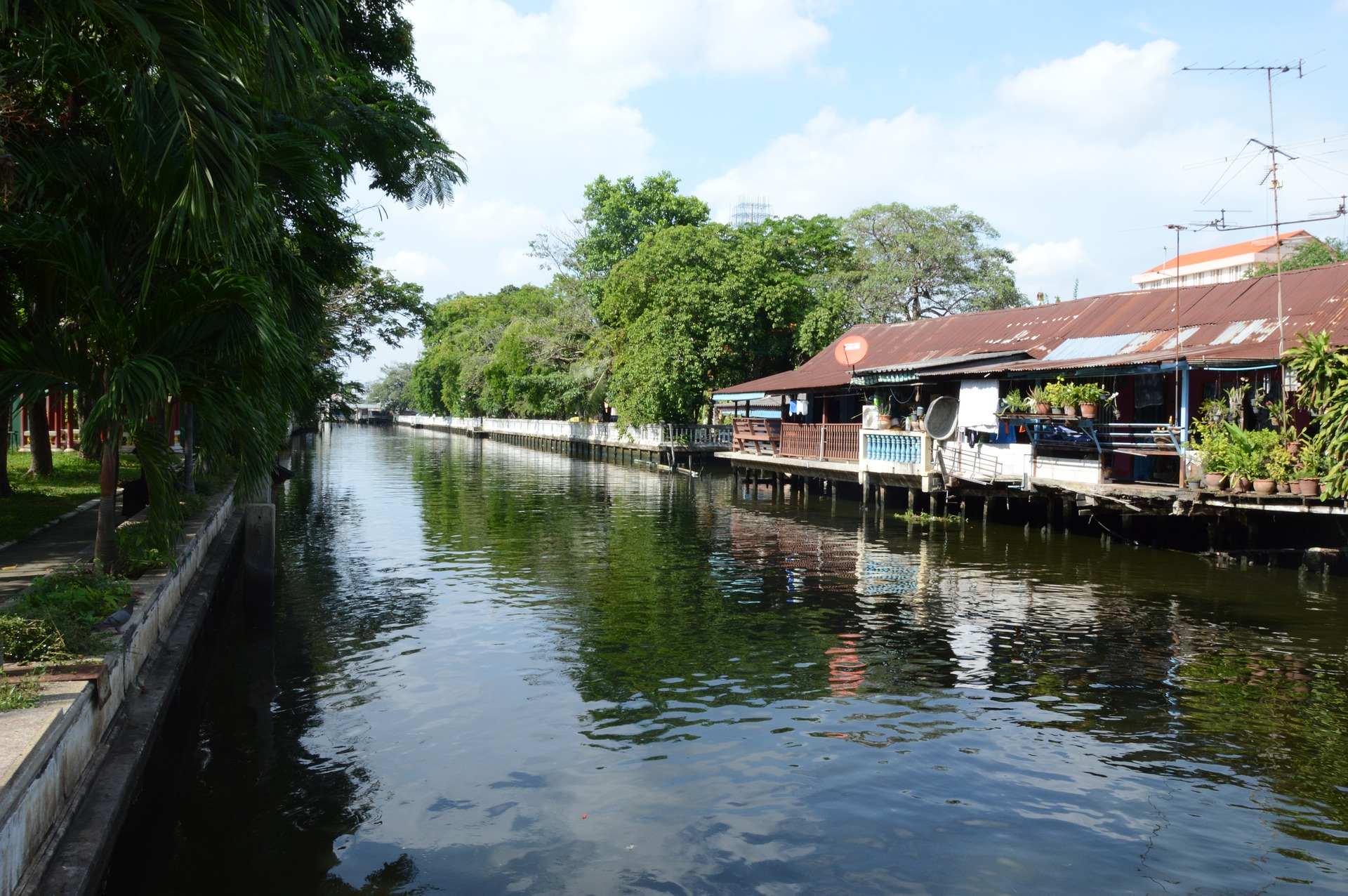
The history of the Bangkok canals


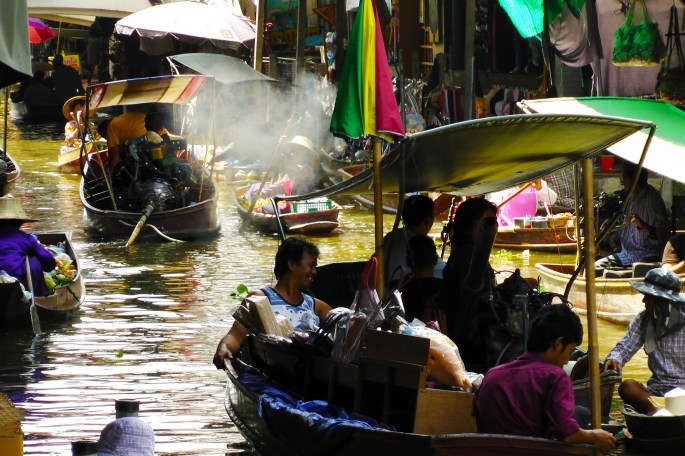
The Bangkok canals hold a much deep and significant history and culture of the capital. The waterways became a significant symbol of the city in the 19th century.

Though the canals have become more polluted and smelly, they serve as historical relics of the city. Located at the heart of the city, the Landmark Bangkok Hotel is one of the best ways to see how the canals manoeuvre through the city.


Here is the story of the Bangkok canals.

floating-market-650467_1920 (1)

The First Canals.


The first canals were created in the 16th century as a means to speed the voyage of foreign merchants. The creation resulted in a substantial change in the course of the Chao Phraya River.


More canals were built with the four major ones being: Bangkok Noi, Bang Ramat, Bangkok Yai, and Taling Chan. The canals continued to split and become more hence dubbing the city as “Venice of the East.”


Originally a means of Protection


In the 18th century, the city of Ayutthaya was burnt and destroyed by the Burmese. As a result, Thais built canals as a better means of defense.

asia-1807558_1920

Further, as a means of defense, king Taksin built a moat to protect Rattanakosin Island, home to the Grand Palace. A second moat was constructed under King Rama 1 to further expand the city. These moats were connected by two small canals hence protecting the island in every direction possible.


As threats decreased, most canals were destroyed and only two remained – the Mahakan Fort and Phra Sumen. The canals were then used for other purposes other than protection.


A major way of Life


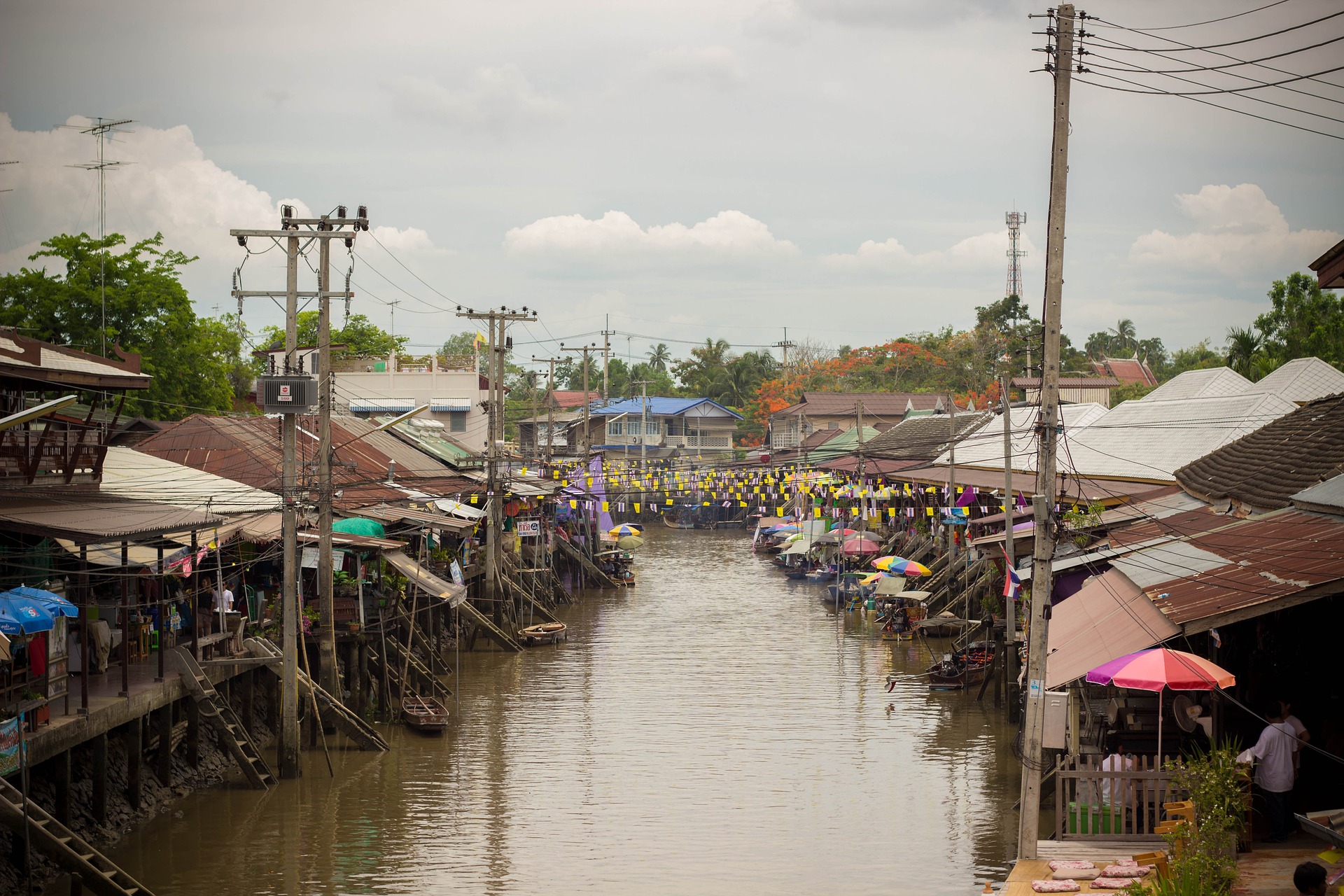
Through the 19th century, the Bangkok canals become a major form of transport and irrigation to the ever-expanding city. Khlong Phadung Krung Kasem and Khlong Saen Saeb are the two major canals that can still be found in the city today.

thailand-4512397_1920

Thonburi Canal, west of Chao Phraya River, remains one of the best ways to explore the city. There are various types of boats to choose from if you want to visit the city via water.


Moreover, the canals played a central part in the spiritual aspects of Thais. Temples were built around areas with canals to form a symbolic connection with the waters. As a result, the canals significantly shaped the landscape of Bangkok.


Conclusion


From the 16th century, the canals played a major role in Thai life. They offered communities with services such as irrigation, transportation, and even controlled floods. Although most of the canals are no more, they contribute significantly to the rich history and culture of Bangkok.